1. What is “Blue Space” Research?
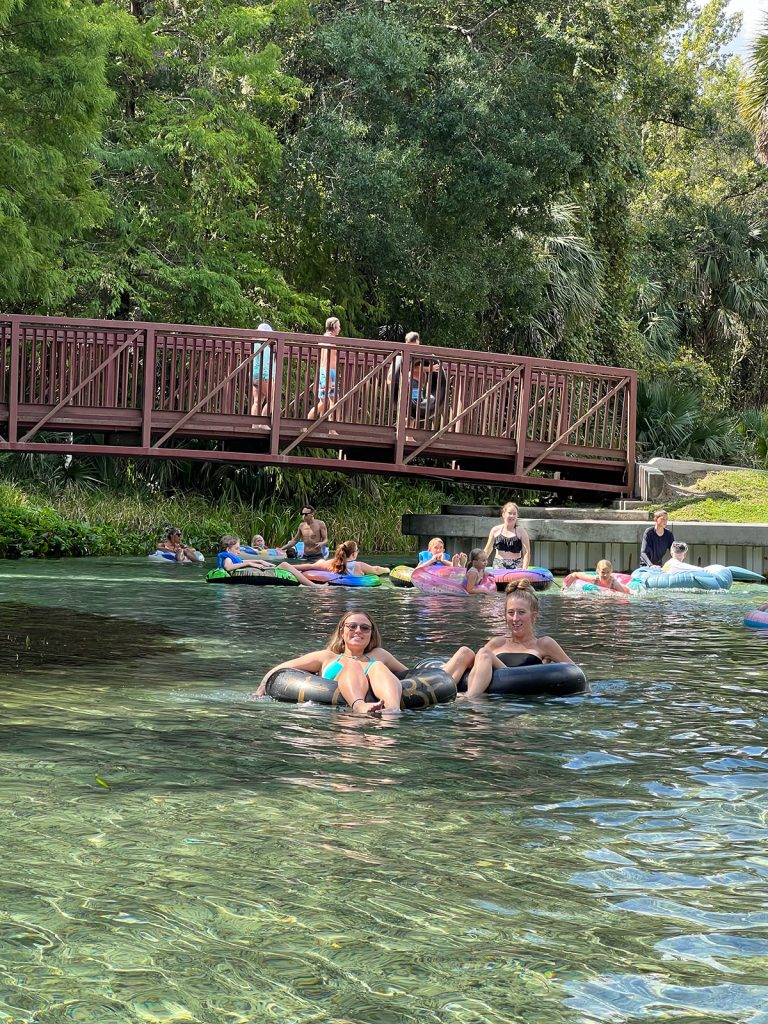
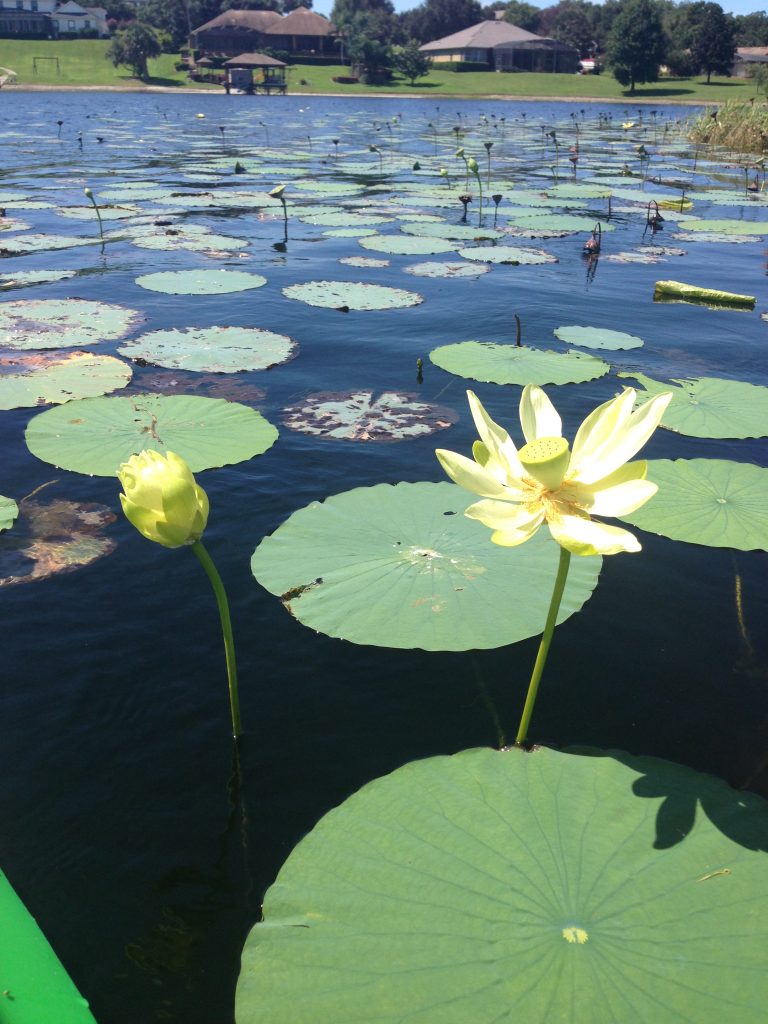
“Blue space” refers to environments that feature water, such as oceans, lakes, rivers, and pools. Research in this field explores how exposure to water impacts psychological and physiological health.
A major systematic review found that blue space interventions can improve mental health and psychosocial well-being.
Evidence suggests a positive association between exposure to water environments and improved mental health outcomes
What this means: Water is not just calming; it has measurable effects on mental health.
Garrett, J. K. et. al (2022)
1. What is “Blue Space” Research?
“Blue space” refers to environments that feature water, such as oceans, lakes, rivers, and pools. Research in this field explores how exposure to water impacts psychological and physiological health.
A major systematic review found that blue space interventions can improve mental health and psychosocial well-being.
Evidence suggests a positive association between exposure to water environments and improved mental health outcomes
What this means: Water is not just calming—it has measurable effects on mental health.
2. Mental Health & Nervous System Regulation
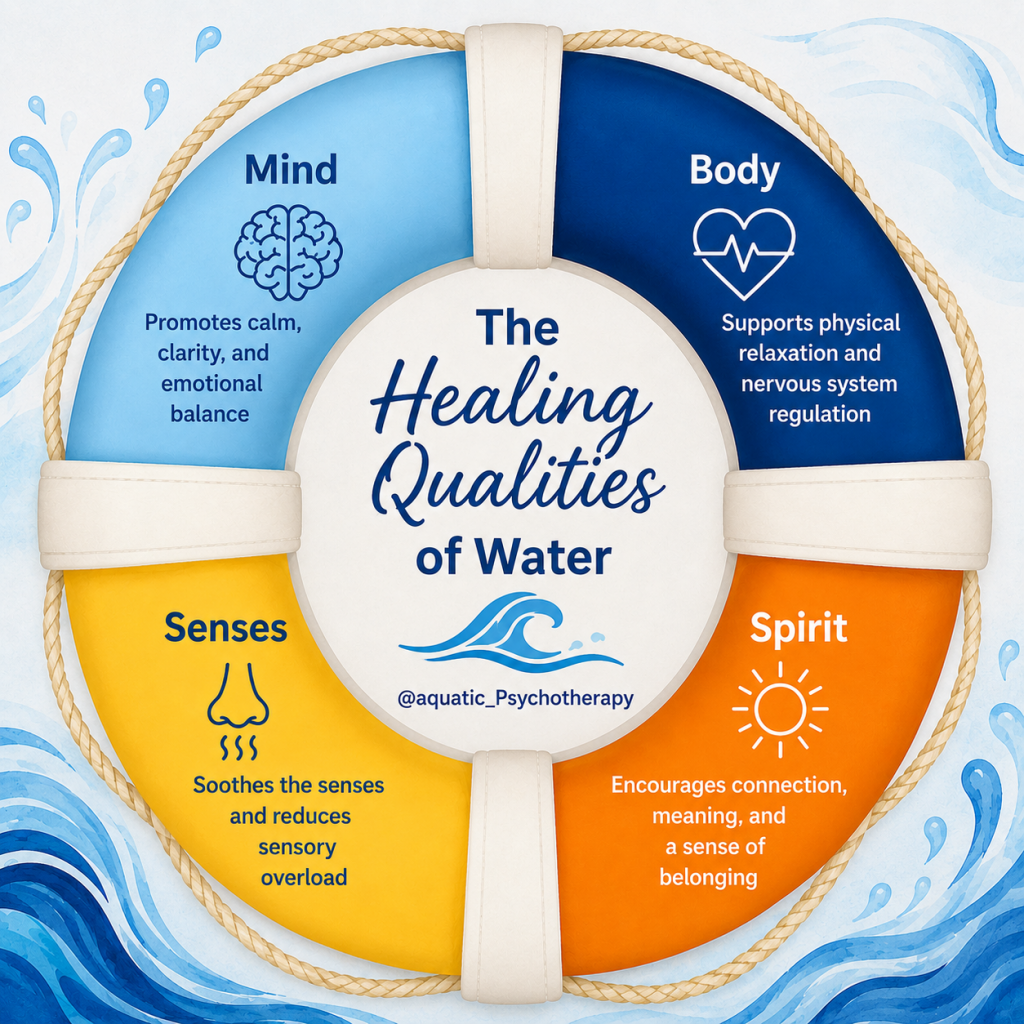
Research indicates that natural environments, including water-based settings, support the nervous system in meaningful ways:
Clinical relevance: When the nervous system settles, clients are better able to process emotions and engage in therapy.
Emerging research suggests that individuals may intentionally seek water environments as a form of emotional regulation and well-being support.
Hurdman et al., (2025).
2. Mental Health & Nervous System Regulation
Research indicates that natural environments, including water-based settings, support the nervous system in meaningful ways:
Exposure to blue and green spaces is linked to reduced stress, improved mood, and psychological restoration.
These environments may also support cognitive functioning and emotional recovery.
Clinical relevance: When the nervous system settles, clients are better able to process emotions and engage in therapy.
3. Emotional Well-Being & Stress Reduction
Multiple studies suggest that water environments can support emotional health:
- Research shows improvements in well-being, mood, and psychosocial functioning in water-based or nature-based interventions
- Long-term exposure to blue spaces has been linked to lower psychological distress and improved mental health
Translation: Water creates conditions that make emotional healing more accessible.
3. Emotional Well-Being & Stress Reduction
Multiple studies suggest that water environments can support emotional health:
- Research shows improvements in well-being, mood, and psychosocial functioning in water-based or nature-based interventions
- Long-term exposure to blue spaces has been linked to lower psychological distress and improved mental health
Translation: Water creates conditions that make emotional healing more accessible.
4. Social Connection & Experiential Healing
Water environments may also enhance connection and engagement:
- Blue space interventions have been associated with increased social connectedness and engagement
- Natural environments encourage movement, presence, and sensory awareness, which are key components of experiential therapy
Why this matters: Healing is not just cognitive—it is relational and experiential.
4. Social Connection & Experiential Healing
Water environments may also enhance connection and engagement:
- Blue space interventions have been associated with increased social connectedness and engagement
- Natural environments encourage movement, presence, and sensory awareness, which are key components of experiential therapy
Why this matters: Healing is not just cognitive—it is relational and experiential.
5. Mechanisms: Why Water Works
Researchers are still exploring how water impacts mental health, but several mechanisms are supported:
- Reduction in stress and anxiety
- Increased psychological restoration
- Improved social interaction
- Enhanced sensory engagement
In simple terms: Water helps the body shift into a calmer, more receptive state—where meaningful change can occur.
5. Mechanisms: Why Water Works
Researchers are still exploring how water impacts mental health, but several mechanisms are supported:
- Reduction in stress and anxiety
- Increased psychological restoration
- Improved social interaction
- Enhanced sensory engagement
In simple terms: Water helps the body shift into a calmer, more receptive state—where meaningful change can occur.
A Growing Field of Study
While research on water and mental health is expanding rapidly:
- The field is still developing, with calls for more longitudinal and experimental studies
- Recent reviews highlight strong potential for blue space as a public health and therapeutic resource
What this means for clients: Aquatic Psychotherapy is grounded in science, while also contributing to an emerging and innovative area of mental health care.
A Growing Field of Study
While research on water and mental health is expanding rapidly:
- The field is still developing, with calls for more longitudinal and experimental studies
- Recent reviews highlight strong potential for blue space as a public health and therapeutic resource
What this means for clients: Aquatic Psychotherapy is grounded in science, while also contributing to an emerging and innovative area of mental health care.
Aquatic Psychotherapy brings together research, clinical expertise, and lived experience to offer a therapeutic approach that is both grounded and experiential.
For many individuals, healing does not happen through words alone. By working in and around water, this approach creates a space where the mind and body can reconnect, allowing for deeper, more effective emotional processing.
Research:
https://marinesantuary.org/blog/benefits-of-a-blue-mind/?utm_source=chatgpt.com
PubMed:
“A systematic review of blue space interventions for health and wellbeing”
“Outdoor blue spaces, human health and well-being”
National Institutes of Health (NIH / NCBI):
“Green and blue space and mental health”
Sustainability (2025):
“The Role of Blue Space in Enhancing Mental Health and Well-Being Among Older Adults”
Aquatic Psychotherapy brings together research, clinical expertise, and lived experience to offer a therapeutic approach that is both grounded and experiential.
For many individuals, healing does not happen through words alone. By working in and around water, this approach creates a space where the mind and body can reconnect, allowing for deeper, more effective emotional processing.
Research:
https://marinesantuary.org/blog/benefits-of-a-blue-mind/?utm_source=chatgpt.com
PubMed:
“A systematic review of blue space interventions for health and wellbeing”
“Outdoor blue spaces, human health and well-being”
National Institutes of Health (NIH / NCBI):
“Green and blue space and mental health”
Sustainability (2025):
“The Role of Blue Space in Enhancing Mental Health and Well-Being Among Older Adults”
Thank you for attending
Aquatic Psychotherapy: Come Splash With Us.Here you'll find:
- Presentation slides
- Bonus Blue Mind audio
- Reading list
- Therapist and Client resources
- Future trainings information
Want access to all materials?
Enter your email below and we'll send everything directly to your inbox.
Flash: 4th Annual International Conference
Frequently Asked Questions
Common questions about Aquatic Psychotherapy, the science behind it, and what to expect.
Getting Started
Is Aquatic Psychotherapy evidence-based?
Aquatic Psychotherapy draws on well-established, evidence-based methods — including EMDR, somatic and experiential therapy, and nervous system regulation — and applies them in and around water. The broader field of water-and-wellbeing research (often called “Blue Mind”) is still growing, while the clinical approaches at the core of this work are well supported.
What does a typical session look like?
Sessions take place in calm, supportive water — a warm pool or a gentle natural setting. We begin on land to settle in and set intentions, move into the water for the core of the work (breath, gentle movement, talk, or EMDR), and close with time to integrate the experience.
Who is this therapy for?
It can help people navigating anxiety, trauma, grief, burnout, life transitions and relationship challenges — especially those who find talk therapy alone difficult and want a more experiential, body-based approach.
Do I need to know how to swim?
No. Sessions are designed for safety and comfort in shallow or supported water, and you stay in control the entire time. Flotation support is available, and we never go beyond what feels safe for you.
Is it covered by insurance?
Coverage varies. Many clients use out-of-network benefits or a superbill for possible reimbursement. We’re happy to discuss options and provide documentation — [confirm current billing details before publishing].
The Science of Water & the Nervous System
How does water affect the nervous system?
Being in and around water can shift the body toward a calmer, more regulated state — slowing the breath, softening muscle tension and supporting the parasympathetic “rest and restore” system. Buoyancy reduces physical strain, which can help the body feel safe enough to process emotion.
Can aquatic therapy help with trauma?
Water can provide a regulated, supported environment that helps the nervous system stay within a tolerable range while processing difficult experiences — which is why we integrate trauma-focused methods like EMDR. As with any trauma work, pacing and safety always come first.
Why does water calm the nervous system?
A combination of factors: rhythmic sensory input, buoyancy and gentle pressure, the soothing qualities of sound and movement, and our deep evolutionary relationship with water. Together these cues can signal safety to the body.
What happens to trauma processing in water?
The supported, rhythmic quality of water can make it easier to stay present and regulated, so the nervous system is less likely to become overwhelmed. Processing can feel more gentle and accessible than talk alone.
How does nature affect mental health?
A growing body of research links time in natural settings — including “blue spaces” such as lakes, rivers and the sea — with lower stress, improved mood and a greater sense of restoration.
Blue Mind, Floating & Experiential Therapy
What is Blue Mind?
“Blue Mind” describes the mildly meditative, calm and connected state many people enter near water. The term was popularized by marine biologist Wallace J. Nichols in his book of the same name.
What is the psychology of floating?
Floating reduces sensory load and physical effort, which can quiet a busy mind, lower stress and create a spacious, open state that supports reflection and emotional release.
Blue Mind and burnout — how are they connected?
Chronic stress keeps the nervous system in overdrive. The restorative, low-demand quality of water can help interrupt that cycle, which makes it a natural fit for burnout recovery.
Why does experiential therapy work?
Experiential approaches engage the body and senses, not just words. Because much of stress and trauma is held in the body, working experientially can reach places that talk alone sometimes cannot.