
What is AQT?
A Mind-Body Approach to Healing Through Water
There is something about being near water that naturally helps us slow down.
The sound, the movement, the feeling of being held or supported—it all works together to quiet the noise and bring us back into the present moment. In that space, something begins to shift. We feel more grounded, more open, and more connected to ourselves.
Aquatic Psychotherapy builds on this natural response, using water as a supportive environment for emotional healing, nervous system regulation, and deeper self-awareness.
What is AQT?
A Mind-Body Approach to Healing Through Water
There is something about being near water that naturally helps us slow down.
The sound, the movement, the feeling of being held or supported—it all works together to quiet the noise and bring us back into the present moment. In that space, something begins to shift. We feel more grounded, more open, and more connected to ourselves.
Aquatic Psychotherapy builds on this natural response, using water as a supportive environment for emotional healing, nervous system regulation, and deeper self-awareness.
What is Aquatic Psycotherapy
Aquatic Psychotherapy is a therapeutic approach that integrates water, neuroscience, and experiential therapy.
Rather than focusing only on thoughts and conversation, this work includes the body, the environment, and the client’s lived experience in the moment.
Sessions may take place in or around water and are guided with intention, allowing clients to explore their inner world in a way that feels more natural, less forced, and often more accessible than traditional settings.
Water becomes more than a backdrop. It becomes part of the therapeutic process.
What is Aquatic Psycotherapy
Aquatic Psychotherapy is a therapeutic approach that integrates water, neuroscience, and experiential therapy.
Rather than focusing only on thoughts and conversation, this work includes the body, the environment, and the client’s lived experience in the moment.
Sessions may take place in or around water and are guided with intention, allowing clients to explore their inner world in a way that feels more natural, less forced, and often more accessible than traditional settings.
Water becomes more than a backdrop. It becomes part of the therapeutic process.
Why Water Works
Water has a unique effect on the nervous system.
It naturally supports a shift into a more regulated state, where the body feels safer and the mind becomes quieter. In this state, clients are often better able to access emotions, process experiences, and integrate insights without becoming overwhelmed.
Many people find that what feels difficult to access in an office setting becomes more available when they are in or near water.
This is not about pushing or forcing change. It is about creating the conditions where change can occur more organically.
Why Water Works
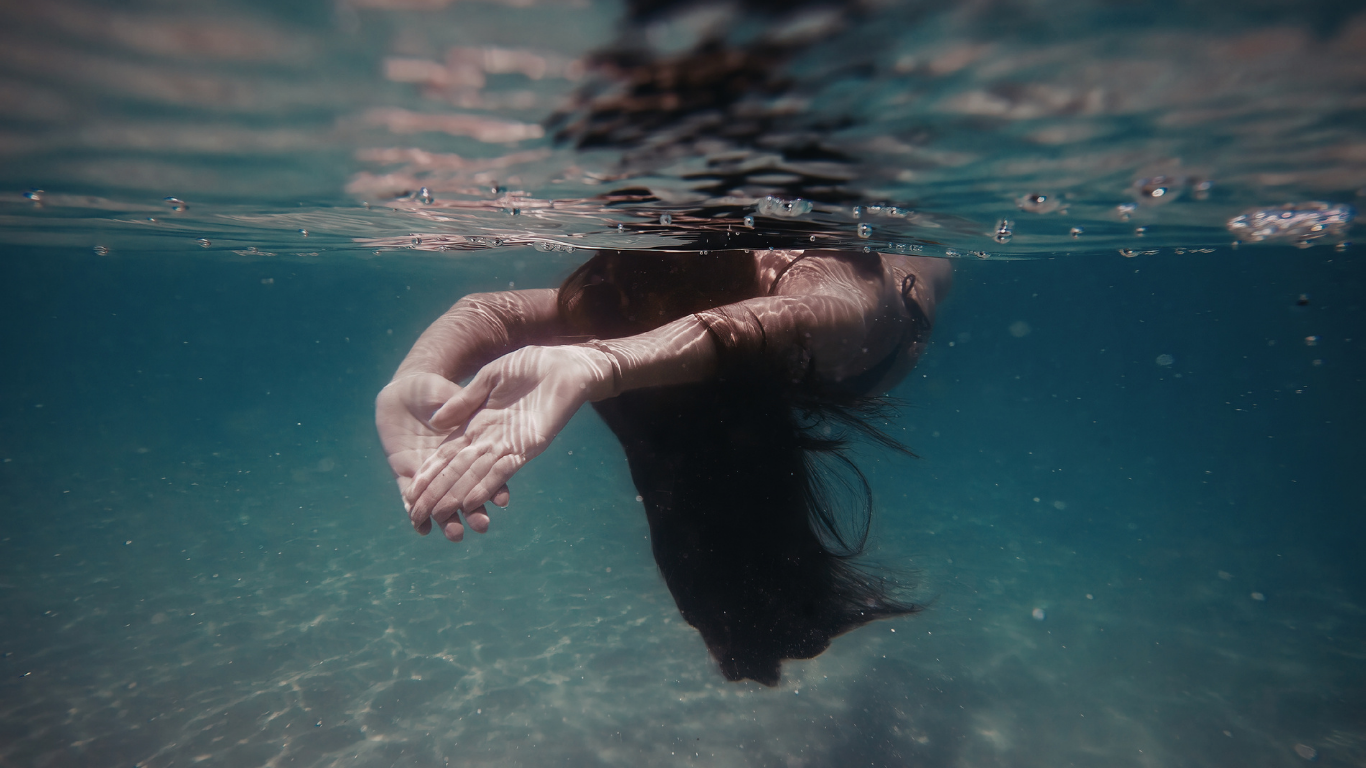
Water has a unique effect on the nervous system.
It naturally supports a shift into a more regulated state, where the body feels safer and the mind becomes quieter. In this state, clients are often better able to access emotions, process experiences, and integrate insights without becoming overwhelmed.
Many people find that what feels difficult to access in an office setting becomes more available when they are in or near water.
This is not about pushing or forcing change. It is about creating the conditions where change can occur more organically.
What a Session Can Look Like
Each session is guided and tailored to the individual.
Depending on the setting and the client’s needs, this may include:
- Floating or gentle movement
- Breath awareness
- Guided reflection
- Moments of quiet observation
- Experiential exercises
There is no expectation to perform or “do it right.” The focus is on noticing, experiencing, and allowing.
The therapist’s role is to support safety, attunement, and presence throughout the process.
Who This Work is For
Aquatic Psychotherapy can be helpful for individuals who:
- Feel overwhelmed, stressed, or burned out
- Have difficulty slowing down or disconnecting from constant mental activity
- Are seeking a more experiential or body-based approach to healing
- Feel stuck despite insight or previous therapy
- Want to reconnect with themselves in a deeper, more grounded way
It is also supportive for those who simply feel drawn to water and are curious about how it can enhance their personal growth.
A Different Way of Approaching Change
Traditional therapy often focuses on understanding.
This work includes understanding, but also emphasizes experience.
Rather than only talking about patterns, clients have the opportunity to notice them as they arise in real time, in a regulated and supportive environment.
This can create shifts that feel more integrated and lasting.
It is also supportive for those who simply feel drawn to water and are curious about how it can enhance their personal growth.
A Different Way of Approaching Change
Traditional therapy often focuses on understanding.
This work includes understanding, but also emphasizes experience.
Rather than only talking about patterns, clients have the opportunity to notice them as they arise in real time, in a regulated and supportive environment.
This can create shifts that feel more integrated and lasting.
It is also supportive for those who simply feel drawn to water and are curious about how it can enhance their personal growth.
Integration with
Clinical Approaches
Aquatic Psychotherapy can stand on its own as an experiential approach, or it can be integrated with established clinical methods.
In private sessions, this may include approaches such as EMDR and the Flash Technique, allowing for deeper processing when appropriate.
The combination of a regulated nervous system and targeted therapeutic techniques can support meaningful and well-tolerated change.
Integration with
Clinical Approaches
Aquatic Psychotherapy can stand on its own as an experiential approach, or it can be integrated with established clinical methods.
In private sessions, this may include approaches such as EMDR and the Flash Technique, allowing for deeper processing when appropriate.
The combination of a regulated nervous system and targeted therapeutic techniques can support meaningful and well-tolerated change.
Additional
Offerings
In addition to private sessions, there are also opportunities to engage with this work through guided experiences in nature.
These include:
River float experiences focused on reflection and reconnection
Kayaking experiences that explore movement, awareness, and connection
These experiences are not therapy sessions, but they are guided with therapeutic intention and provide a supportive space to slow down and reconnect.
Additional
Offerings
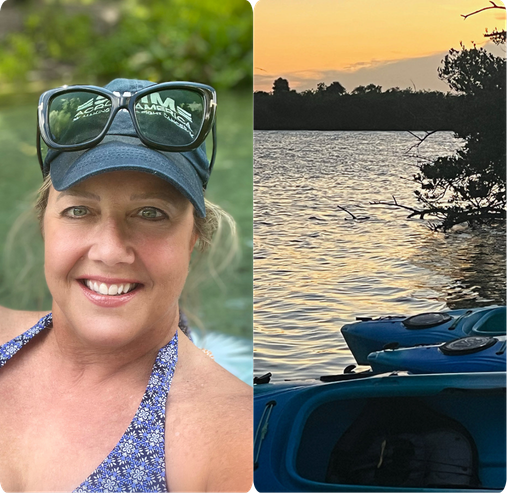
In addition to private sessions, there are also opportunities to engage with this work through guided experiences in nature.
These include:
River float experiences focused on reflection and reconnection
Kayaking experiences that explore movement, awareness, and connection
These experiences are not therapy sessions, but they are guided with therapeutic intention and provide a supportive space to slow down and reconnect.