
What is the research behind Aquatic psychotherapy?

Why does water help us feel calmer, think more clearly, and connect more deeply?

Aquatic Psychotherapy® is informed by research from neuroscience, trauma therapy, environmental psychology, Blue Mind science, Polyvagal Theory, EMDR, somatic psychology, and nature-based healing. Explore the growing body of evidence that inspired this approach.

While Aquatic Psychotherapy® itself continues to evolve through clinical innovation and research, its foundation is grounded in well-established evidence from multiple disciplines.

Come and explore some of the research behind the framework.

What this means: Water is not just calming; it has measurable effects on mental health.

White, M. P., Elliott, L. R., Gascon, M., Roberts, B., & Fleming, L. E. (2020). Blue space, health and well-being: A narrative overview and synthesis of potential benefits. Environmental Research, 191, 110169.

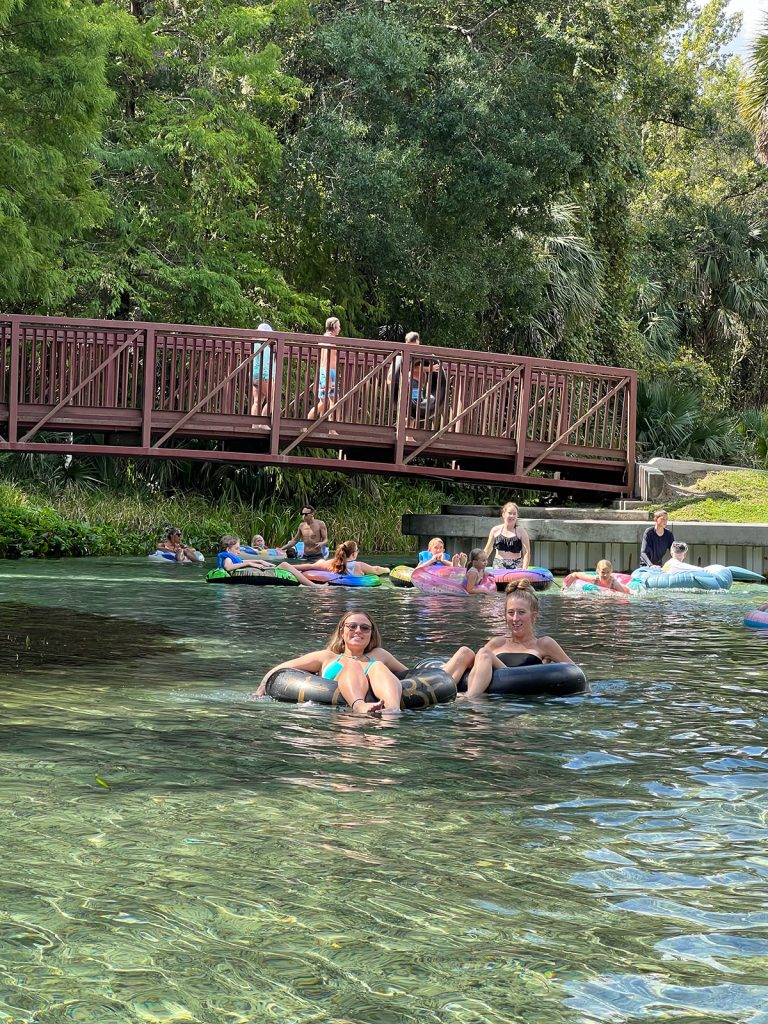
1. What is “Blue Space” Research?

“Blue space” refers to environments that feature water, such as oceans, lakes, rivers, and pools. Research in this field explores how exposure to water impacts psychological and physiological health.

A major systematic review found that blue space interventions can improve mental health and psychosocial well-being.

Evidence suggests a positive association between exposure to water environments and improved mental health outcomes

What this means:
Water is not just calming—it has measurable effects on mental health.

Mental Health & Nervous System Regulation

Research indicates that natural environments, including water-based settings, support the nervous system in meaningful ways.

Healing begins with safety. Research in neuroscience suggests that when the nervous system shifts from protection to connection, people are better able to think clearly, regulate emotions, and engage in meaningful therapeutic work.

Aquatic Psychotherapy® incorporates evidence-informed practices designed to support nervous system regulation while drawing upon the naturally restorative qualities of water.

Emerging research suggests that individuals may intentionally seek water environments as a form of emotional regulation and well-being support.  

Porges, S. W. (2011). The Polyvagal Theory: Neurophysiological Foundations of Emotions, Attachment, Communication, and Self-Regulation. W. W. Norton & Company.

Dana, D. (2018). The Polyvagal Theory in Therapy: Engaging the Rhythm of Regulation. W. W. Norton & Company.

Porges, S. W. (2021). Polyvagal theory: A biobehavioral journey to sociality. Comprehensive Psychoneuroendocrinology, 7, 100069.

Hurdman et al., (2025).

2. Mental Health & Nervous System Regulation

Research indicates that natural environments, including water-based settings, support the nervous system in meaningful ways:

Exposure to blue and green spaces is linked to reduced stress, improved mood, and psychological restoration.

These environments may also support cognitive functioning and emotional recovery.

Clinical relevance:
When the nervous system settles, clients are better able to process emotions and engage in therapy.

3. Emotional Well-Being & Stress Reduction

Multiple studies suggest that water environments can support emotional health:

  • Research shows improvements in well-being, mood, and psychosocial functioning in water-based or nature-based interventions
  • Long-term exposure to blue spaces has been linked to lower psychological distress and improved mental health

Translation:
Water creates conditions that make emotional healing more accessible.

Social Connection & Experiential Healing

Healing is not only an individual process, it also occurs through meaningful experiences and healthy social connections. Research suggests that natural environments, particularly blue spaces, may foster engagement, presence, and a greater sense of connection with ourselves, others, and the world around us. These qualities make water-based experiences a natural complement to experiential and relationship-centered approaches to healing.

  • Blue space interventions have been associated with increased social connectedness, social engagement, and psychological well-being.
  • Natural environments encourage movement, mindfulness, presence, and sensory awareness, key elements of experiential therapies.
  • Shared experiences in restorative environments can foster co-regulation, trust, and interpersonal connection.
  • Positive experiences in and around water may help create new emotional associations that support resilience and personal growth.


Kolb, D. A. (2015). Experiential learning: Experience as the source of learning and development (2nd ed.). Pearson Education.

Holt-Lunstad, J. (2018). Why social relationships are important for physical health: A systems approach to understanding and modifying risk and protection. Annual Review of Psychology, 69, 437–458.


Why this matters:
 Healing is not just cognitive; it is a relational and experiential.

4. Social Connection & Experiential Healing

Water environments may also enhance connection and engagement:

  • Blue space interventions have been associated with increased social connectedness and engagement
  • Natural environments encourage movement, presence, and sensory awareness, which are key components of experiential therapy

Why this matters:
Healing is not just cognitive—it is relational and experiential.

Mechanisms: Why Water Works


Researchers are still exploring how water impacts mental health, but several mechanisms are supported:

  • Heals from the inside out. Mind and body are both engaged.
  • Enhanced sensory engagement
  •  Promotes a sense of connection and meaning


In simple terms:
 Water helps the body shift into a calmer, more receptive state, where meaningful change can occur.
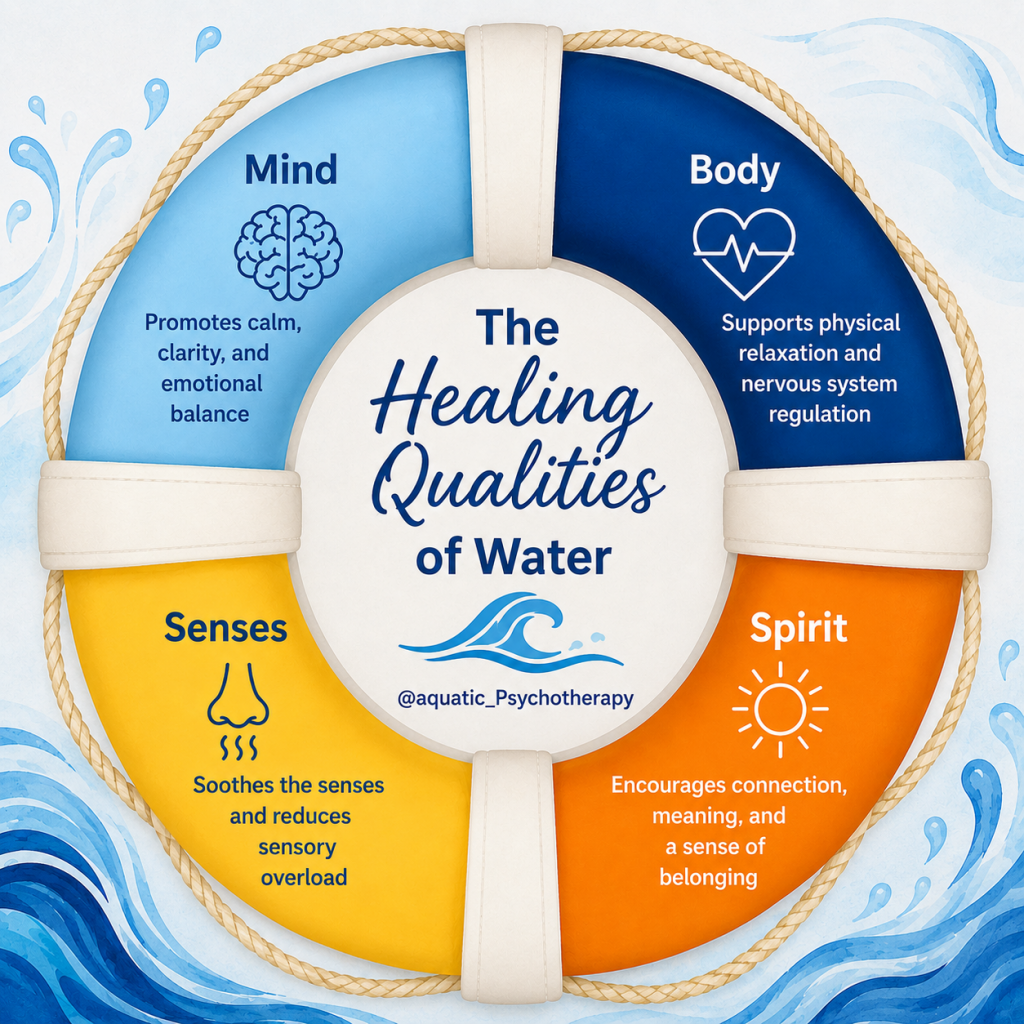
5. Mechanisms: Why Water Works

Researchers are still exploring how water impacts mental health, but several mechanisms are supported:

  • Reduction in stress and anxiety
  • Increased psychological restoration
  • Improved social interaction
  • Enhanced sensory engagement

In simple terms:
Water helps the body shift into a calmer, more receptive state—where meaningful change can occur.

A Growing Field of Study

Aquatic Psychotherapy is more than an idea; it is an evolving, evidence-informed framework. As part of its continued development, participants are invited to complete brief before-and-after measures that help evaluate changes in stress, emotional distress, and overall well-being.

Additional findings will be shared as this work progresses.


Preliminary Clinical Observations

Beyond measurable outcomes, participants consistently described meaningful changes in their lived experience. Common themes included feeling lighter, calmer, and more connected; relief from emotional burdens; increased nervous system regulation; a greater sense of safety and therapeutic support; and enhanced emotional well-being. Many participants also described the unique role of water in promoting relaxation, emotional release, and a renewed sense of resilience.

While these observations are preliminary, they continue to inform the ongoing refinement of the Aquatic Psychotherapy® framework and future directions for research.

A Growing Field of Study

While research on water and mental health is expanding rapidly:

  • The field is still developing, with calls for more longitudinal and experimental studies
  • Recent reviews highlight strong potential for blue space as a public health and therapeutic resource

What this means for clients:
Aquatic Psychotherapy is grounded in science, while also contributing to an emerging and innovative area of mental health care.

Aquatic Psychotherapy brings together research, clinical expertise, and lived experience to offer a therapeutic approach that is both grounded and experiential.

For many individuals, healing does not happen through words alone. By working in and around water, this approach creates a space where the mind and body can reconnect, allowing for deeper, more effective emotional processing.

Research:

https://marinesantuary.org/blog/benefits-of-a-blue-mind/?utm_source=chatgpt.com

PubMed:

     “A systematic review of blue space interventions for health and wellbeing”

     “Outdoor blue spaces, human health and well-being”

National Institutes of Health (NIH / NCBI):

     “Green and blue space and mental health”

Sustainability (2025):

     “The Role of Blue Space in Enhancing Mental Health and Well-Being Among Older Adults”

Join the Aquatic Psychotherapy® Collaborative

Aquatic Psychotherapy is growing, and no emerging field is built by a single person. It grows through clinicians who are willing to explore, collaborate, ask questions, and contribute to the development of new

ideas.

I’m looking to connect with therapists, researchers, graduate students, and helping professionals who are interested in being part of this journey.

Whether your passion is clinical practice, teaching, research, retreats, or simply exploring how water can support healing, there are many ways to contribute, including:

  • Assisting with workshops, retreats, and river experiences
  • Supporting couples kayaking and experiential programs
  • Helping collect outcome data and evaluate outcomes
  • Contributing research ideas, clinical insights, and future publications
  • Collaborating on presentations, educational programs, and professional training
  • Becoming part of a growing community dedicated to advancing the field of Aquatic Psychotherapy


Every emerging field begins with people who are willing to ask new questions, challenge existing assumptions, and help shape what comes next.

If you’re excited by the possibility of helping build the future of Aquatic Psychotherapy, I’d love to connect with you.

Yes, I'm interested in finding out ways I can help grow the field of Aquatic Psychotherapy!
Frequently Asked Questions

Common questions about Aquatic Psychotherapy, the science behind it, and what to expect.

Getting Started

Aquatic Psychotherapy draws on well-established, evidence-based methods — including EMDR, somatic and experiential therapy, and nervous system regulation — and applies them in and around water. The broader field of water-and-wellbeing research (often called “Blue Mind”) is still growing, while the clinical approaches at the core of this work are well supported.

Sessions take place in calm, supportive water — a warm pool or a gentle natural setting. We begin on land to settle in and set intentions, move into the water for the core of the work (breath, gentle movement, talk, or EMDR), and close with time to integrate the experience.

It can help people navigating anxiety, trauma, grief, burnout, life transitions and relationship challenges — especially those who find talk therapy alone difficult and want a more experiential, body-based approach.

No. Sessions are designed for safety and comfort in shallow or supported water, and you stay in control the entire time. Flotation support is available, and we never go beyond what feels safe for you.

Coverage varies. Many clients use out-of-network benefits or a superbill for possible reimbursement. We’re happy to discuss options and provide documentation — [confirm current billing details before publishing].

The Science of Water & the Nervous System

Being in and around water can shift the body toward a calmer, more regulated state — slowing the breath, softening muscle tension and supporting the parasympathetic “rest and restore” system. Buoyancy reduces physical strain, which can help the body feel safe enough to process emotion.

Water can provide a regulated, supported environment that helps the nervous system stay within a tolerable range while processing difficult experiences — which is why we integrate trauma-focused methods like EMDR. As with any trauma work, pacing and safety always come first.

A combination of factors: rhythmic sensory input, buoyancy and gentle pressure, the soothing qualities of sound and movement, and our deep evolutionary relationship with water. Together these cues can signal safety to the body.

The supported, rhythmic quality of water can make it easier to stay present and regulated, so the nervous system is less likely to become overwhelmed. Processing can feel more gentle and accessible than talk alone.

A growing body of research links time in natural settings — including “blue spaces” such as lakes, rivers and the sea — with lower stress, improved mood and a greater sense of restoration.

Blue Mind, Floating & Experiential Therapy

“Blue Mind” describes the mildly meditative, calm and connected state many people enter near water. The term was popularized by marine biologist Wallace J. Nichols in his book of the same name.

Floating reduces sensory load and physical effort, which can quiet a busy mind, lower stress and create a spacious, open state that supports reflection and emotional release.

Chronic stress keeps the nervous system in overdrive. The restorative, low-demand quality of water can help interrupt that cycle, which makes it a natural fit for burnout recovery.

Experiential approaches engage the body and senses, not just words. Because much of stress and trauma is held in the body, working experientially can reach places that talk alone sometimes cannot.

Privacy Policy

Effective Date: July 29, 2026

At Aquatic Psychotherapy®, your privacy is important to us. This Privacy Policy explains how information is collected, used, stored, and protected when you visit this website.

Information We Collect

Depending on how you interact with this website, we may collect:

  • Your name
  • Email address
  • Phone number (if provided)
  • Information submitted through contact forms
  • Registration information for workshops, retreats, trainings, or events
  • Newsletter subscription information
  • Information you voluntarily provide through surveys or downloadable resource requests

We may also collect limited technical information automatically, including:

  • IP address
  • Browser type
  • Device information
  • Pages visited
  • Time spent on the website
  • General website usage through analytics tools

This information helps improve the website and user experience.

How We Use Your Information

Information collected may be used to:

  • Respond to inquiries
  • Provide requested resources, handouts, or downloads
  • Register you for events, workshops, retreats, or trainings
  • Send newsletters and educational updates (only if you choose to subscribe)
  • Notify you about upcoming programs or new educational offerings
  • Improve website performance and user experience
  • Comply with applicable legal obligations

Email Communications

If you choose to subscribe to our mailing list, you may receive occasional emails about educational resources, upcoming events, workshops, professional trainings, or Aquatic Psychotherapy® updates.

You may unsubscribe at any time by clicking the unsubscribe link included in our emails.

Cookies

This website may use cookies and similar technologies to improve functionality, remember user preferences, and better understand website traffic.

You may disable cookies through your browser settings; however, some features of the website may not function properly.

Third-Party Services

This website may use trusted third-party providers to operate certain services, including website hosting, email communications, scheduling, online learning platforms, payment processing, and analytics.

These providers maintain their own privacy policies governing how they manage your information.

Data Security

Reasonable administrative, technical, and physical safeguards are used to protect the information collected through this website. While every effort is made to safeguard personal information, no method of internet transmission or electronic storage can be guaranteed to be completely secure.

Confidentiality

Submitting information through this website, completing a contact form, subscribing to a newsletter, or registering for an event does not establish a therapist-client relationship.

Please do not submit confidential or sensitive personal health information through website forms or email unless specifically instructed to do so through a secure method.

Children’s Privacy

This website is intended for adults and is not directed toward children under the age of 13. Personal information is not knowingly collected from children.

Your Choices

You may request to:

  • Update your contact information
  • Correct inaccurate information
  • Remove yourself from email communications
  • Request deletion of personal information where legally permitted

Requests may be submitted through the Contact page of this website.

Changes to This Policy

This Privacy Policy may be updated periodically to reflect changes in services, technology, or legal requirements. The revised policy will be posted on this page with an updated effective date.

Contact

If you have questions regarding this Privacy Policy or the handling of your information, please contact us through the Contact page on this website.

Terms of Use

Effective Date: July 29, 2026

Welcome to the Aquatic Psychotherapy® website. By accessing or using this website, you agree to the following Terms of Use. If you do not agree with these terms, please discontinue use of this website.

Intellectual Property

Unless otherwise stated, all content on this website—including text, graphics, photographs, videos, presentations, research summaries, educational materials, downloadable resources, course content, logos, and original methodologies—is the intellectual property of Sandra Moenssens/Aquatic Psychotherpay® and is protected by United States and international copyright, trademark, and intellectual property laws.

Aquatic Psychotherapy® is a registered trademark. Splash™ and other original concepts, models, graphics, and educational materials are proprietary and may not be copied, reproduced, modified, distributed, taught, licensed, or used commercially without prior written permission.

Permitted Use

Visitors are welcome to browse this website and download publicly available resources for their own personal, educational, or informational use.

You may not:

  • Copy or reproduce substantial portions of this website.
  • Share, sell, or distribute course materials, handouts, presentations, or downloadable resources without written permission.
  • Teach, market, or represent proprietary Aquatic Psychotherapy® or Splash™ methodologies as your own.
  • Remove copyright or trademark notices from any materials.
  • Use website content to create competing educational products, courses, or training programs.

Educational Information

The information provided on this website is intended for educational and informational purposes only. It should not be considered a substitute for individualized mental health treatment, medical advice, diagnosis, or emergency care.

Participation in workshops, retreats, trainings, or educational programs does not establish a therapist-client relationship unless a separate written agreement has been executed.

Professional Training

Completion of educational materials, workshops, or courses does not authorize individuals to represent themselves as certified in Aquatic Psychotherapy® unless they have successfully completed any required certification process and received written 

authorization to do so.

External Links

This website may contain links to third-party websites for your convenience. Sandra Moenssens is not responsible for the content, privacy practices, or accuracy of information contained on external websites.

Changes

These Terms of Use may be updated periodically. Continued use of this website constitutes acceptance of any revisions.

Contact

Questions regarding these Terms of Use or requests for permission to reproduce or license materials may be directed through the Contact page of this website.

Mental Health Emergencies

The information provided on this website is intended for educational and informational purposes only. It is not intended to replace psychotherapy, counseling, medical care, diagnosis, or treatment.

Viewing this website, participating in educational programs, reading blog posts, downloading resources, or communicating through this website does not establish a therapist-client relationship with Sandra Moenssens, Counseling for Your Success or Aquatic Psychotherapy®.

If you are experiencing a mental health emergency or are in crisis, call 988. 

It’s available 24 hours a day, 7 days a week for anyone experiencing:

  • Suicidal thoughts
  • A mental health crisis
  • Emotional distress
  • Concern about a loved one who may be at risk

If there is an immediate danger to life or someone has acted on suicidal thoughts, call 911 right away or go to the nearest emergency department.

Contact your local emergency services, or go to the nearest emergency department.